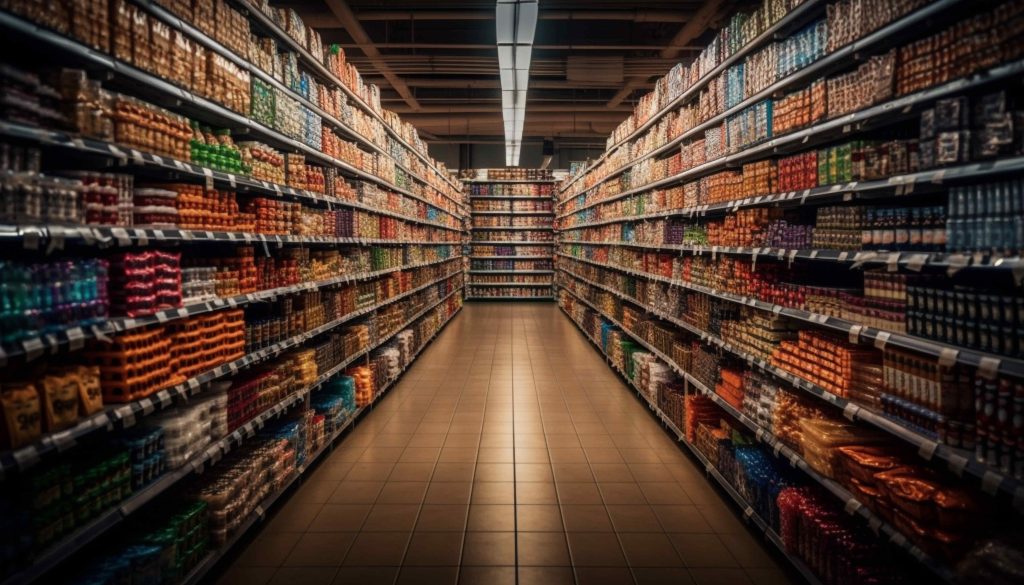
The United Arab Emirates fast-moving consumer goods (FMCG) market entered a defining chapter over the last year, transitioning from a period of robust, consumption-led expansion into a highly strategic and deliberate phase. Data from NielsenIQ (NIQ) reveals that the market achieved a resilient 6.8% year-on-year value growth, crucially underpinned by a 4.9% increase in volumes alongside a modest 2.0% unit value growth. This healthy balance underscores that actual consumer demand and higher transaction volumes, rather than mere inflationary price hikes, served as the primary engine for the sector’s expansion.
As the retail environment progresses through 2026, channel dynamics continue to transform rapidly. While traditional brick-and-mortar Modern Trade maintains its status as the foundational pillar and largest channel for FMCG sales across the Emirates, e-commerce has established an aggressive trajectory. Online grocery platforms and seamless digital purchasing paths saw an intense acceleration toward the end of last year, solidifying e-commerce as the fastest-growing retail channel. This momentum has carried forward into 2026, forcing manufacturers and retailers to shift toward a highly synchronized omnichannel strategy where the line between physical shelves and digital screens is almost entirely blurred.
Category performance and product availability have mirrored these shifting lifestyle demands, with the total active product assortment expanding significantly to a massive baseline of 134,271 active SKUs in the UAE. Among the broad categories, snacking stood out as the undisputed frontrunner, outpacing other major segments in growth. This surge reflects an increasingly fast-paced lifestyle and an ongoing consumer inclination toward convenience and impulse purchases.
Underneath these high-level figures lies a distinct polarization in shopper behavior that is redefining brand positioning. The market is experiencing a squeeze on mid-priced, mainstream offerings as consumers decisively bifurcate into either premium or value tiers. Driven by an influx of affordable and emerging players, particularly across digital marketplaces, the value tier continues to pull in cost-conscious shoppers looking to stretch their household budgets. Conversely, premium brands emerged as the fastest-growing price tier overall. This premiumization trend is heavily backed by evolving shopper priorities; NIQ insights indicate that 70% of UAE consumers are actively willing to pay a premium for higher-quality, trustworthy products. As shoppers adapt to broader economic changes, this willingness to spend on premium items is tightly linked to heightened expectations for product transparency, health benefits, and clean ingredients.
Navigating this highly contested market has become increasingly complex from a promotional standpoint. Promotional activity remained intensely elevated through major seasonal anchors like the Dubai Shopping Festival, with Temporary Price Reductions remaining the tool of choice for retailers looking to capture footfall. However, this aggressive competitive environment has triggered a slight year-on-year decline in overall promotional efficiency. Looking ahead through the remainder of 2026, the overarching theme for the UAE consumer has pivoted from historical inflation-driven anxiety toward a lingering, highly intentional caution. To win in this climate, successful brands are moving away from margin-diluting discount cycles, focusing instead on capturing long-term loyalty through targeted personalization, operational agility, and deep consumer trust.
References
* NielsenIQ (NIQ). (2026).
*UAE FMCG Market Landscape: Full Year 2025 Analysis and 2026 Strategic Outlook
*. NielsenIQ Press Release.